Backlink quality is a measure of the trust, relevance, and authority a link passes to your site. Volume has almost nothing to do with it. One link from a strong, relevant page can outweigh thousands of weak ones.
The problem is that bad links rarely announce themselves. Bulk link-building packages make this worse. Most SaaS companies buy these packages based on Domain Authority alone. However, search has changed. Google and LLMs now care more about whether a link is relevant than how high its authority score is.
Knowing how to check backlink quality removes that guesswork. This guide breaks it into 14 signals across three phases, applied before, during, and after a link goes live.
What Backlink Quality Means For SEO And AI Search In 2026
Backlink quality is a measure of the trust, relevance, and authority a link passes from one site to another. A high-quality backlink comes from a topically relevant page on a trusted domain that receives real organic traffic. A low-quality backlink does none of those things, regardless of how high its Domain Authority score looks on a report.
Quality has always beaten quantity. The gap is just wider in 2026.
Google has been clear on this for years. Asked about backlink counts, Search Advocate John Mueller put it plainly: "the total number essentially is completely irrelevant." One strong link from a relevant site can outweigh thousands of weak ones.
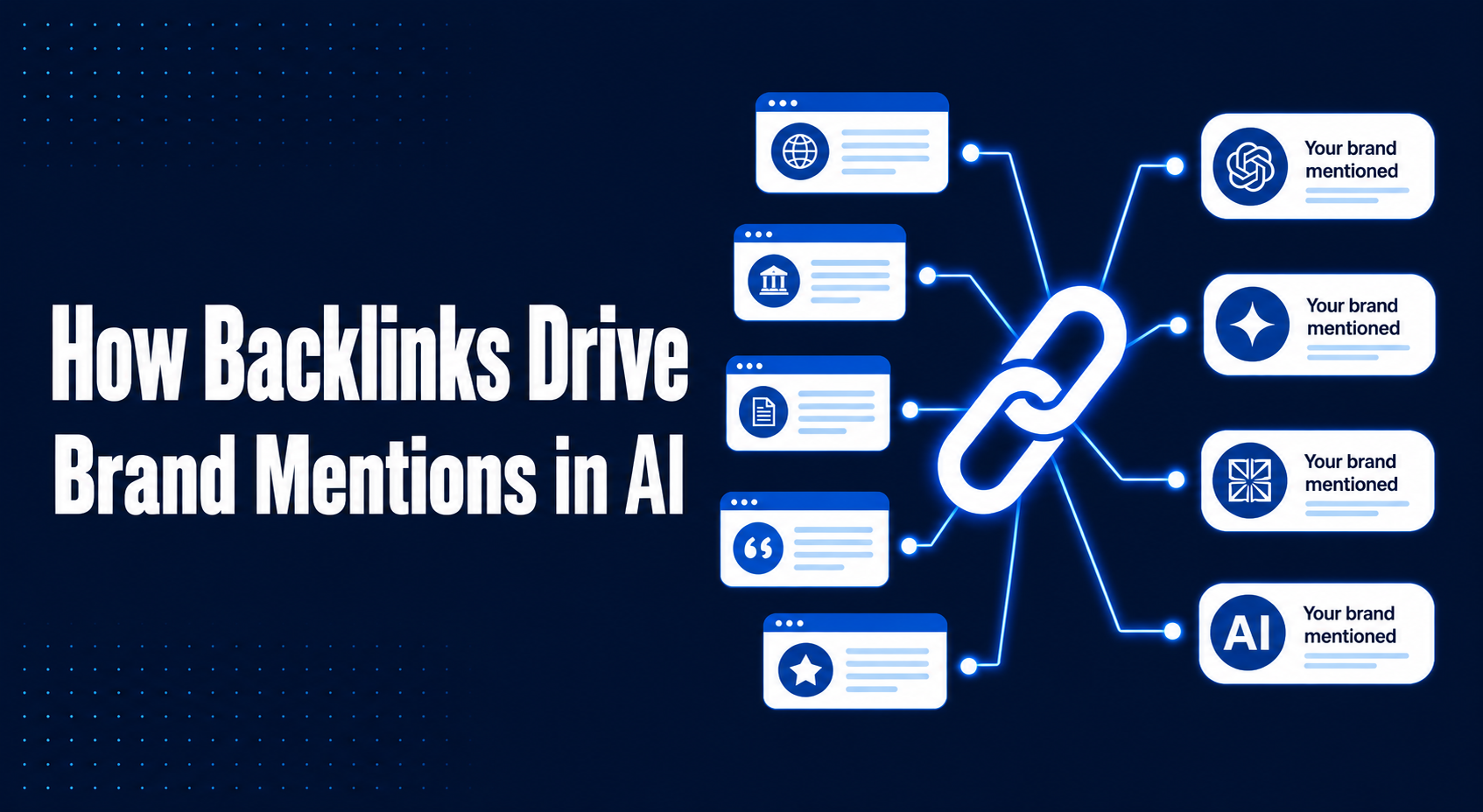
AI search raises the stakes further. LLMs like ChatGPT, Perplexity, and Google AI Overviews cite sources directly in answers. They favor links from topically authoritative pages, not pages stuffed with outbound links.
At the same time, cheap bulk links carry real penalty risk. Google treats manipulative link patterns as a policy violation, and recovery takes months.
For B2B SaaS marketing leaders, the budget question is simple. Every dollar should go toward links that pass real authority across both Google and LLMs. A structured review process at every stage makes that possible.
The 7 Signals Of A High-Quality Backlink
A high-quality backlink clears seven checks. The first three score the linking site. The next three score the link itself. The seventh scores the company it keeps. Miss any one and the link loses most of its value.
Relevance (Signal 2) is the strongest of the seven in 2026. Both Google and LLMs weight topical fit over raw authority when deciding which links to trust.
How does Backlink Quality Drives AI Search Visibility
Backlink quality is no longer a Google-only concern. In 2026, it also determines whether your brand appears inside ChatGPT, Perplexity, and Google AI Overviews.
LLMs pull citations from trusted third-party sources. Earned media placements, expert listicles, and editorial mentions rank highest. A LeadWalnut analysis for Fortinet showed this clearly. In cloud security, 78.9% of all LLM citations came from earned media. Fortinet's own share was just 0.6%, despite leading the firewall market. Competitors had earned spots in the listicles and rankings that LLMs cite. Fortinet had not.
Links from relevant, high-authority pages now feed both search engines and AI answers. Quality backlinks build visibility across both channels.
Good, Bad, And Toxic Backlinks: A Side-By-Side Comparison
Not every weak link is a toxic link. The distinction matters because the response is different.
Five toxic patterns to watch for:
- Private Blog Networks- shared hosting, similar templates, thin content, identical outbound link patterns.
- Link farms and directories- pages with 20+ outbound commercial links to unrelated brands.
- Irrelevant niche directories- a SaaS brand in a wedding directory or casino aggregator.
- Exact-match anchor spam- multiple links to the same page with the same commercial anchor.
- Sudden link velocity spikes- a jump from 10 referring domains/month to 200 with no PR event behind it.
A single instance is rarely fatal. A pattern across the profile is what triggers penalties.
3-Phase Backlink Quality Framework: The LeadWalnut Way
Checking one link is easy. Checking hundreds with consistency is not.
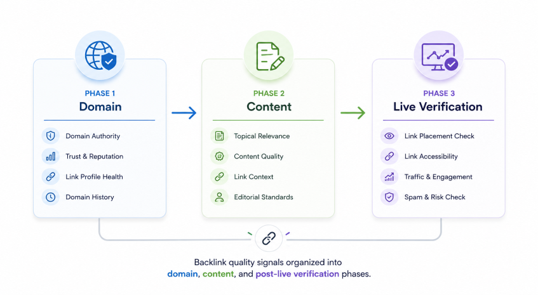
LeadWalnut solves this with a 3-phase quality framework. Every prospective link must pass three gates in sequence:
- Phase 1 - Qualifies the referring domain before any outreach
- Phase 2 - Reviews the article and anchors before the post goes live
- Phase 3 - Verifies the link after publication.
A link that fails any gate gets rejected, no matter how good it looks elsewhere. This gate logic is what separates disciplined programs from volume plays. It is also how leading B2B link-building agencies protect client rankings at scale.
Phase 1: Qualify The Referring Domain
Phase 1 scores the linking site itself. Five signals decide whether a domain even deserves outreach.
Signal 1: Domain Rating
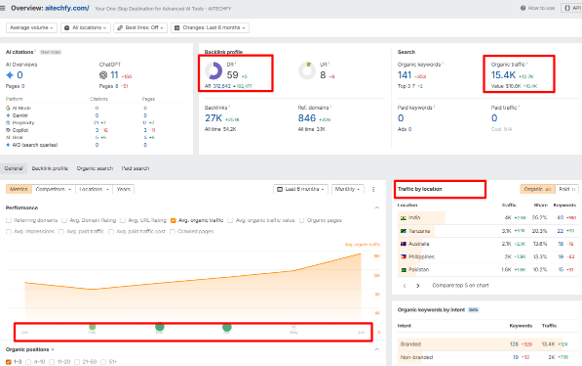
Domain Rating (DR) scores the strength of a site's backlink profile from 0 to 100. Look for referring domains with DR above 40.
Treat DR as a filter, not a verdict. A high score earns a closer look. The next four signals confirm whether it reflects a real, healthy site.
Signal 2: Organic traffic
A quality link sits on a site that real people actually visit. Confirm at least 1,000 organic visits over the past six months.
Watch for mismatches. A DR of 60 with near-zero traffic usually signals an inflated or manipulated profile.
Signal 3: Six-month traffic trend
Direction matters as much as volume. Pull the site's organic traffic trend for the last six months.
Stable or growing traffic passes. A declining trend is an automatic rejection at LeadWalnut, with no override for a high DR. A site losing visibility should not vouch for yours.
Signal 4: Audience geography and language
Match the audience, not just the metrics. More than 50% of the site's traffic should come from your target market.
For brands selling in English-speaking markets, the site should also publish in English. Strong numbers from the wrong country add nothing to the pipeline.
Signal 5: Topical relevance
The domain should connect to your key services and target keywords. Run a site: search for your topic on that domain to confirm.
A perfect niche match is not required. Industry-specific domains in your target segments, such as healthcare or manufacturing, count as relevant too.
Phase 2: Review The Article And Anchor
Phase 2 inspects the draft before it goes live. Six signals cover the article, the anchor, and the links around it.
Signal 6: Article fits with the linking site
The article must serve the publishing site's readers. A post that exists only to host a link reads as filler to both users and Google.
Check that the topic fits the site's existing content and would interest its audience. Listicle-format guest posts often fit naturally and earn stronger engagement.
Signal 7: Semantic relevance to your services
The article must be semantically relevant to your key services and targeted keywords. Context is what makes a link count.
A security article linking to a security page passes authority. A generic lifestyle post linking to the same page passes almost none.
Signal 8: Anchor text
Use a long-tail anchor of four to six words, or a close variant of the target keyword. The anchor should be searchable on Google.
It must also match the content of the target URL and the article's intent. Avoid pointing a solution-page anchor from top-of-funnel content. Mismatched intent confuses readers and search engines alike.
Signal 9: Outbound links
The article should link out to two or three other websites besides yours. A page whose only external link points to one brand looks manufactured.
Natural editorial content cites multiple sources. That pattern keeps your link from being treated as link spam under Google's policies.
Signal 10: Brand and competitor mentions
Keep primary competitors out of the article entirely. If other brands appear, do not hyperlink to them.
Maintain an approved list of acceptable secondary mentions per client. This protects the link's commercial value while keeping the content editorially natural.
Signal 11: Hyperlink validation
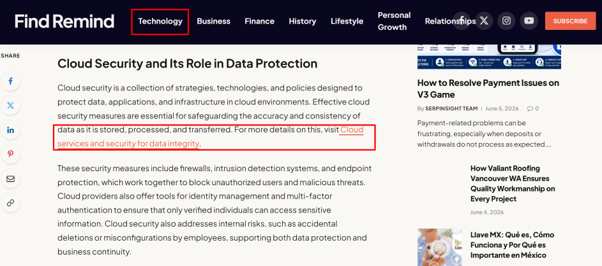
Validate every hyperlink in the draft against its destination. Each link must land on a relevant, working page.
Check the rel attribute too. Dofollow links pass authority, while no-follow links usually do not. Earned editorial links should be do-follow.
Phase 3: Verify The Live Backlink
Publication is not the finish line. Three signals confirm that the link delivers what was agreed.
Signal 12: Google indexing
A link on an unindexed page passes little or no value. Run a site: search for the exact page URL.
Give new pages a week or two before judging. Then recheck and escalate if the page still does not appear.
Signal 13: Anchor target URL
Confirm the anchor text points to the specified target URL. Webmasters sometimes swap targets or redirect links during publishing.
A link to the wrong page wastes the placement. Catch it within days, not months.
Signal 14: Editorial integrity
Compare the live article against the approved draft. Editorial reviews sometimes strip anchors, change wording, or add a no-follow tag.
Reconfirm the domain's DR and organic traffic once the backlink is active. The metrics that qualified the domain should still hold.

Here is the quick reference for all the 14 backlink quality signals discussed above:
Common Backlink Myths and Mistakes
Even experienced teams carry assumptions that quietly undercut their link-building ROI. Two of the most common ones hide in plain sight.
The Backlink Myth: Relevance Is About the Paragraph, Not the Niche.
Most teams define "relevant link" by industry match. Two SaaS sites linking to each other feels right. But that is not how Google measures relevance.
Google evaluates the text surrounding the anchor, not the domain category.
"Irrelevant links" means irrelevant to surrounding text- not industry.
Michael Martinez, SEO Manager at Fortinet, reiterates a long-misunderstood point. Google judges link relevance against the paragraph context. Not whether both sites are in the same niche.
He draws the example from his own company's site. Fortinet's CyberGlossary has a page on quantum-safe encryption. Mid-paragraph, inside a section explaining lattice-based cryptography, there is an anchor reading "FortiGate firewall pricing." It links to a product page.
Same domain. On-brand. But the anchor has nothing to do with the sentence around it. That is the irrelevance of Google flags.
The words around the anchor must match the destination page's topic. A topically mismatched anchor breaks contextual fit even when the domain is perfectly relevant. Paragraph-level context is the signal that actually counts.
What Marketing Teams Get Wrong
Three habits quietly drain link-building budgets:
- Matching competitor link counts. Teams reverse-engineer a rival's backlink total and try to hit the same number. Volume without quality just adds noise.
- Ignoring link decay. An Ahrefs study of over 2 million domains found that 66.5% of links built since 2013 are already dead. Teams that never monitor placements lose value they already paid for.
- Treating homepage links as wins. Links pointing to the homepage spread authority thin. Deep links to priority landing pages move the pages that matter.
Backlink Quality Checker Tools: Free, Paid, And AI Agents
The right tool depends on scale. A small team auditing a few dozen links can work with free tools. A growing program needs paid platforms that surface DR, traffic, and anchor data at scale. A high-volume program needs automation, because manual QA becomes the bottleneck.
Free backlink quality checkers
Free tools cover the basics. They are enough to spot the worst offenders in a backlink profile but lack the depth needed for large audits.
- Google Search Console. Shows which sites link to yours, top linking pages, and top anchor text. Free, accurate, and the only first-party data on your backlink profile.
- Keywords Everywhere Free Backlink Checker. Lists backlinks to any domain or URL with anchor text, Moz Domain Authority, and Spam Score for each linking site. Works on competitor sites too, which Search Console cannot show
- Ahrefs Free Backlink Checker. Returns the top 100 backlinks for any domain with DR, anchor text, and link type. Useful for a quick competitor scan.
- Moz Free Link Explorer. Limited monthly checks with Domain Authority, spam score, and inbound link counts.
Paid backlink quality platforms
Paid tools are where serious audits happen. All three cover the core signals: referring domain authority, organic traffic, anchor text, link type, and historical trends.
Most B2B teams pick one of these three as the system of record and supplement with free tools for spot checks.
LeadWalnut's Backlink AI Agent
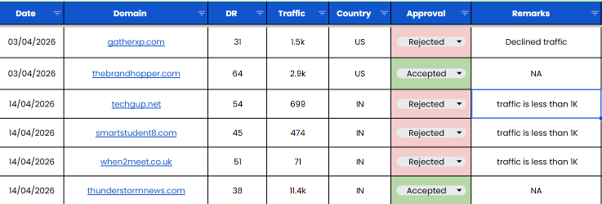
At real volume, even paid tools leave a gap. Pulling a list of 500 prospect domains from Ahrefs is fast. Running the 14-signal framework on each by hand is not. Manual QA becomes the program's bottleneck.
LeadWalnut packages the three-phase framework into its Backlink Quality Validator, a Claude-powered QA agent built on the same audit method this guide walks through. The agent runs domain qualification, draft review, and live verification automatically. Teams feed in a list of prospect domains and get back a pass-or-reject verdict per link, with the rejection reason logged inline.
The same framework also powers LeadWalnut's managed backlink strategy programs, where every placement passes all three gates before it counts as delivered.
How to Spot and Fix Low-Quality Backlinks
Most low-quality backlinks need no action at all. Google has gotten better at ignoring obvious spam on its own. The disavow tool exists for a narrower set of cases than most SEO teams use it for.
The first step is separating what to ignore from what to fix. Getting that wrong in either direction costs rankings.
When to ignore a low-quality backlinks
Most of what shows up in a backlink profile falls into the "ignore" bucket: scraper sites, old directory listings, forum signatures, one-off footer links. These pass minimal value and minimal harm. Google's algorithms already discount them.
A backlink is safe to ignore when it sits on a real website with actual content, appears as a one-off rather than part of a pattern, and shows no connection to a manual action in Google Search Console. Spending hours chasing removals on harmless links pulls focus from building better ones.
If there is no evidence the link is causing harm, leave it in place.
How to disavow spammy backlinks
A disavow is justified only when three conditions hold together:
- The link sits inside a manipulative pattern, not a one-off.
- Outreach for removal has already failed.
- The pattern is tied to a manual action or verified penalty risk.
Export the full backlink profile from Ahrefs or Semrush. Filter for PBN clusters, link farms, or exact-match anchor repetition. Submit the file through Google Search Console to disavow links at the domain level.
One caution: over-disavowing is the most common mistake. If no evidence of harm exists, leave the link alone.
Backlink Quality: Building Authority and Trust That Last
Strong backlink profiles are built on judgment, not volume. The 14 signals turn a vague sense of a "good link" into a clear yes or no, applied before outreach rather than after a penalty.
Two LeadWalnut client programs show what happens when every link must pass all three gates.
Splashtop: 10 quality links beat 100 average ones
Splashtop, a remote access software brand, had a priority page stuck on Page 4 of Google. The team did not need more links. They needed links that cleared a higher bar.
"Ten quality backlinks moved a key page from Page 4 to Page 1. LeadWalnut's quality bar is why it stayed there." — SEO Team, Splashtop
Enterprise cybersecurity: quality holds at scale
An enterprise cybersecurity brand competing in crowded SERPs needed scale without dropping the quality bar.
In LeadWalnut's verified Clutch reviews, the same client reports outperforming all its main competitors on backlinks, traffic, and keywords..
FAQ
How often should you audit your backlink profile?
Review your profile at least once a quarter. Audit more often during active campaigns or after a sudden ranking drop. Regular reviews catch toxic backlinks before they accumulate into a pattern.
Are paid backlinks safe for SEO?
Paid links carry real risk. Google treats links bought to pass authority as a policy violation. If a placement is sponsored, it should carry a rel="sponsored" or no-follow tag. Editorially earned links remain the safer long-term choice.
Should you disavow toxic backlinks?
Disavow only clearly harmful links you cannot get removed. Google ignores most obvious spam on its own. Reserve the disavow tool for manipulative links tied to a real penalty risk.
Can building backlinks too fast hurt your rankings?
Yes. A sudden spike of links, especially weak ones, can look like manipulation. Steady, gradual growth reads as natural and is far safer than short bursts of volume.
What tools can you use to check backlink quality?
Ahrefs, Semrush, and Moz report Domain Rating, traffic, and link attributes. Google Search Console shows which sites link to you. Pair tool data with a manual look at the live page, or automate the full review with a QA agent.



How can LeadWalnut help?

Related Articles
Which AI Writing Tools Earn a Citation in 2026?
How to Earn Citations from High-Authority Publications