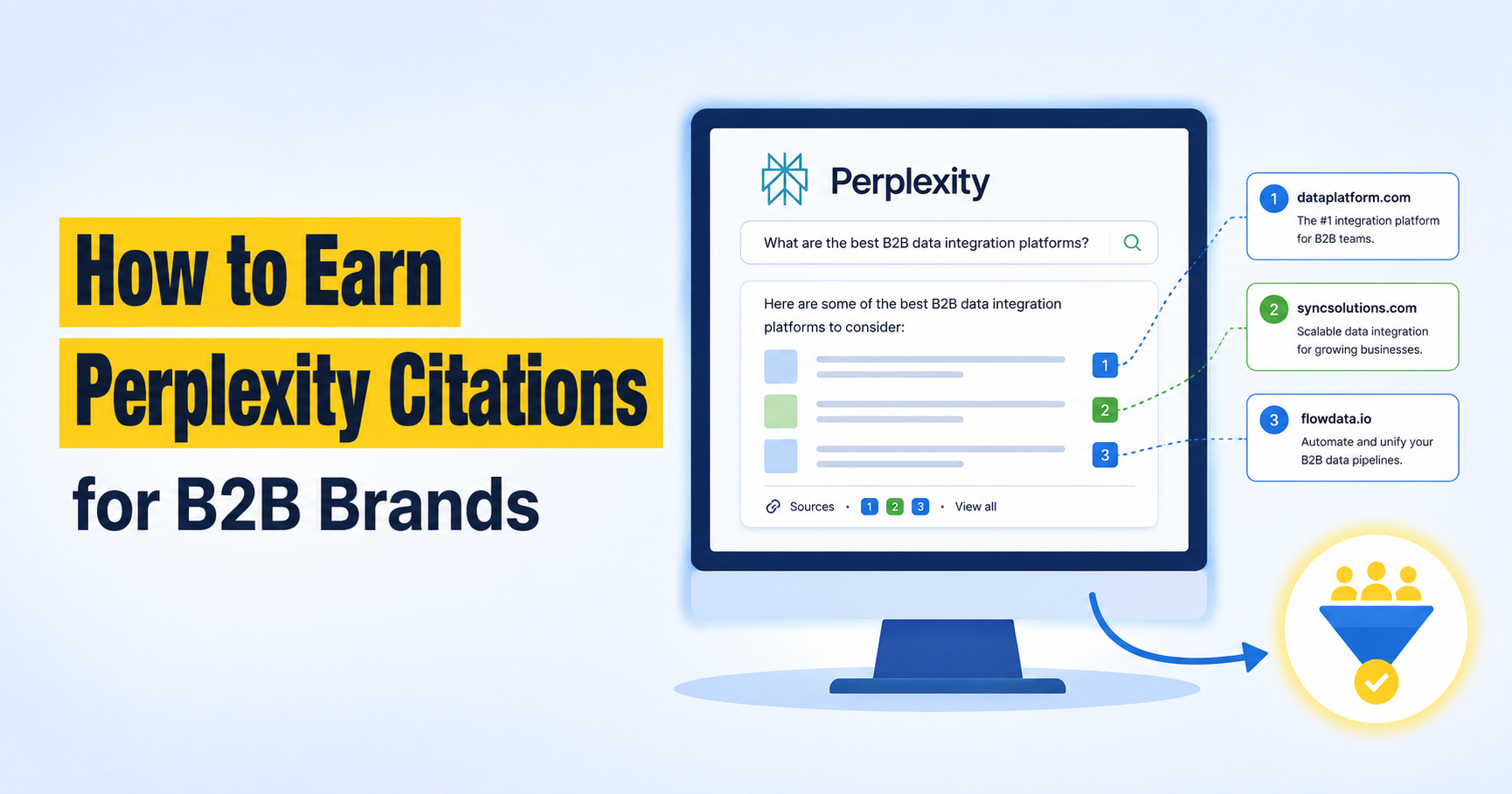
Perplexity SEO is the practice of optimizing your brand, content, and citations so that Perplexity references your company inside its AI-generated answers. It is a form of Generative Engine Optimization (GEO) that sits on top of traditional SEO, not in place of it.
B2B buyers now open Perplexity, read one synthesized answer, and click only the sources cited inside it. The brands named enter the shortlist. The brands left out never get a sales conversation.
This guide breaks down how Perplexity selects sources, what content earns a citation, and how to measure the pipeline it drives.
Why Perplexity SEO Is The Biggest Visibility Shift In B2B
The shift is about scale and buyer behavior. Perplexity now serves tens of millions of monthly users. It answers well over a billion queries a month. It searches the live web on nearly every one of them. As Gartner's Alan Antin notes, GenAI solutions are becoming substitute answer engines that replace queries once run on traditional search.
This changes how B2B buyers discover vendors. Buyers no longer scan ten blue links. They read one synthesized answer. They click only the sources cited inside it. If your brand is not one of those sources, you are invisible at the exact moment of research.
The revenue impact is measurable. Perplexity-referred sessions convert at 3.1x the rate of non-branded Google organic across B2B portfolios, according to MarGen's 2026 Perplexity statistics report. Buyers arriving from Perplexity have already read a curated answer. They clickthrough with clear intent. A missing citation is a missing pipeline opportunity.
Traditional SEO still matters, but it is no longer sufficient. The playing field has expanded from ranked pages to cited sources. B2B brands that treat Perplexity SEO as a separate discipline capture demand at the research stage. Those that wait get eliminated from the shortlist before they know they were considered.
How Perplexity Selects Sources
Perplexity selects sources by running a live web search on every query, ranking the retrieved pages for relevance, freshness, and authority, and then citing the small set the model uses to write its answer. It rewards pages that are easy to retrieve, easy to extract, and trustworthy at the entity level.
The pipeline is unforgiving. Perplexity retrieves 10 to 20 candidate pages per query but cites only three to eight. A page can rank well on Google and still be invisible on Perplexity if its claims are buried or hard to attribute. Freshness carries unusual weight: according to ZipTie, 70% of Perplexity's top citations showa visible publish or update date within the last 12 to 18 months.
For B2B teams, the brief changes. The goal is no longer to rank a page. It is to build a page the retrieval system trusts, the ranker keeps, and the model can quote cleanly.
How Perplexity Cites Differently Than ChatGPT , Claude & Google AIO
Perplexity is citation-first. Unlike engines that summarize and cite selectively, Perplexity searches the web for nearly every query and links sources inline as a core part of the answer, not an after thought. That makes it the engine where citation behavior matters most to get right.
The table below draws on 2026 citation research from SERanking, comparing Google, ChatGPT, and Perplexity citation behavior.
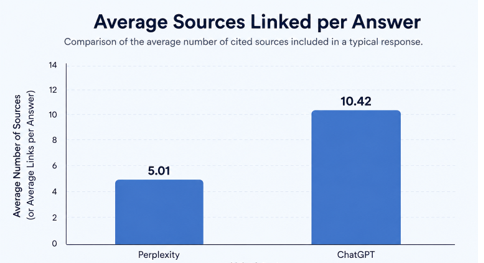
Two things stand out for Perplexity specifically:
● Citations are always shown inline and numbered, a native feature of its interface, unlike ChatGPT and Google AIO, where citation display is inconsistent.
● Perplexity is the most consistent referencer, averaging five links per answer versus 10.42 for ChatGPT and 9.26 for Google AIO, so each citation carries more weight. It also favors younger domains (10–15 years) than Google AIO (15+ years), giving newer pages a better shot here.
Winning a Perplexity citation is a distinct exercise from winning one on ChatGPT or Google AIO.
For how ChatGPT treats citations, see the ChatGPT SEO guide for B2B SaaS brands.
How Retrieval-Augmented Generation Powers Every Perplexity Answer
Perplexity runs on retrieval-augmented generation(RAG). It retrieves live sources first, then writes an answer grounded in them. The five-step pipeline shows why the content signals below matter.
- Interpret- Perplexity parses the query's intent and splits it into sub-questions.
- Retrieve- It runs live web searches and pulls candidate passages from its index.
- Rank- It scores those passages for relevance, freshness, and authority.
- Generate- The model composes an answer grounded only in the top passages.
- Cite- Each claim is linked back to its source ,inline and numbered.
The implication is clear. If a page is not retrievable, recent, and easy to extract, it never reaches the generation step. It can never be cited. Every optimization tactic in the next section maps back to one of these five steps.
What Content Signals Earn A Perplexity Citation
Across audits, seven signals consistently separate cited pages from invisible ones. Each maps to a concrete checklist item marketing teams can action this quarter.
These signals compound. A page with high domain authority but no factual density gets skipped. A stat-heavy page with weak schema gets missed by the crawler. Winning citations requires all seven to work together.
LeadWalnut's LLM Content Optimization Kit turns these seven signals into a 9-point blog checklist and a 10-point product-page checklist.
Brands running structured audits close these gaps faster. The Fortinet GEO optimization case study shows citation share moving from 0.6% to featured positions across ChatGPT and GoogleAI Overviews in five days.
How To Get Your Brand Mentioned In Perplexity
Earning a Perplexity citation comes down to three levers: owned, earned, and social. Strengthen owned media, build earned authority, and reinforce social and entity signals so the retrieval engine trusts the brand as a source. Perplexity does not reward pitching. It rewards being retrievable, credible, and easy to cite.
LeadWalnut runs this as a four-step loop: audit, diagnose, fix, monitor. The walkthrough below uses a real enterprise online faxing brand, eFax, and its competitor iFax, to show how the loop plays out in practice.
Run A Prompt Audit Across Business-Critical Queries
The audit started from one problem statement: eFax has no mention of Perplexity, while competitors dominate the response, across business-relevant queries. Eleven prompts were tested, covering the questions an enterprise fax buyer would actually type into Perplexity.
The table below shows 5 representative prompts from the full set of 11.
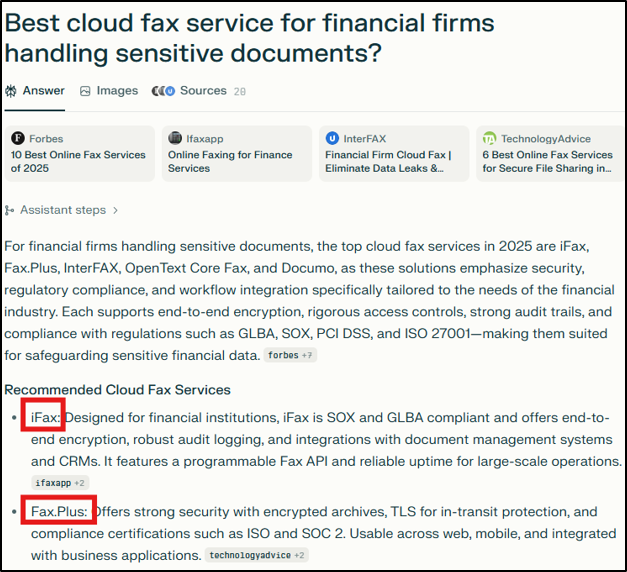
Key findings:
● eFax went unmentioned in 8 of 11 queries.
● In the 3 where it was cited, the source was always a third party, never eFax's own site.
● ChatGPT and Claude cited eFax's owned pages for two of those same prompts, so the gap is specific to Perplexity.
● iFax consistently surfaced instead, driven largely by owned listicles built for LLM citation.
Read The Results And Identify Root Causes
The pattern points to three fixable root causes, not bad luck.
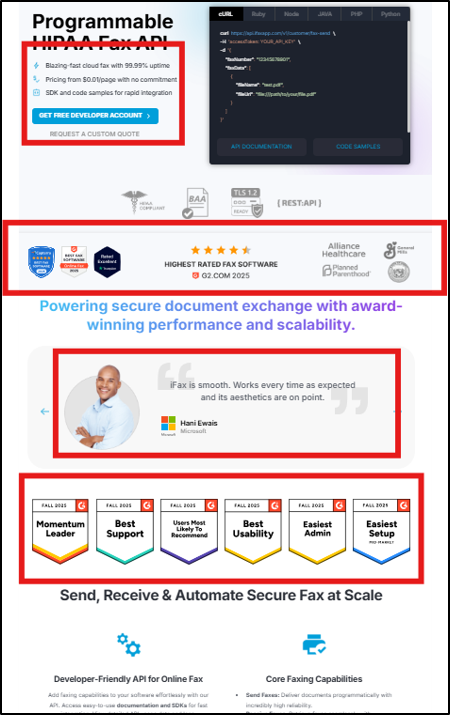
● Owned-media gap: iFax publishes listicle and comparison content built for LLM citation. eFax has no equivalent for Perplexity to pull from.
● Schema gap: eFax's pages carry no Product or Service schema, making them harder for Perplexity to parse as citable content.
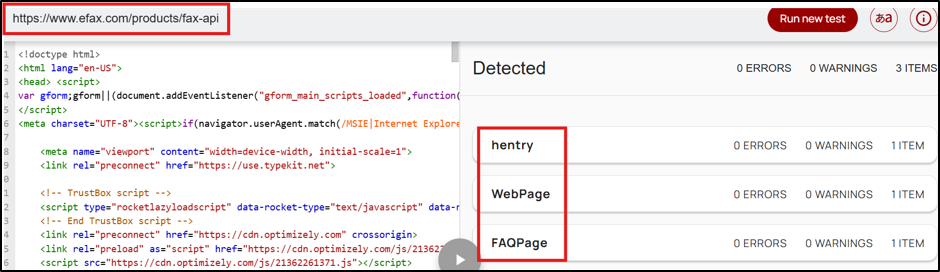
● Content gap: eFax's pages are paragraph-heavy. iFax uses pointer-based, scannable formatting the model extracts cleanly.
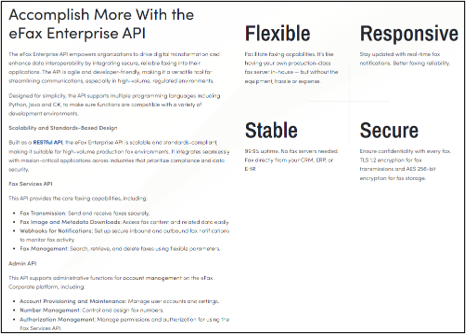
Each gap is fixable on eFax's own site, which is what makes the retrieval odds recoverable.
Close The Gaps Across Earned, Schema & Content Gaps
All three gaps identified sit on eFax's own site, so the fixes are direct, not a multi-channel campaign.
● Publish owned listicles and comparisons: Give Perplexity assets to cite directly, the same approach that drives lead generation from AI search engines.
● Add schema markup: Layer in Product, Service, Article, How-To, and FAQ schema across key pages to make content machine-readable.
● Reformat paragraph-heavy pages: Convert dense copy into pointer-based blocks, tables, and comparisons the model can extract cleanly.
These three fixes reinforce each other:
● Owned assets give Perplexity something to retrieve.
● Schema markup makes those assets machine-readable.
● Pointer-based formatting makes them easy to extract and cite.
Brands that close all three together see the citation gap close faster than brands fixing them one at a time.
How To Track And Measure Perplexity Citation Performance
Treat AI visibility like any other channel. Instrument it, then improve it. Purpose-built trackers monitor how often a brand is cited, where it sits in the answer, and how that share moves against competitors overtime.
Four metrics matter more than the rest:
● Citation frequency: How often the brand appears across a tracked prompt set.
● Share of answer: The percentage of answers in a category that name the brand.
● Source position: Where the citation sits inside the answer, since earlier sources capture more clicks.
● Prompt-level presence: Which specific queries include the brand and which do not.
Set the cadence by category speed. Weekly for competitive B2B categories where messaging and comparisons shift often. Bi-weekly at minimum for slower categories. Then feed the results back into the prompt audit to close the loop. The tools surface the gaps. The audit and the earned, owned, social workflow close them.
Brands that run this loop consistently compound their citation share, while those that measure once and stop lose ground to competitors who keep iterating. For a broader view of what to measure across AI engines, see Leadwalnut’s guide on the best ChatGPT rank tracking tools for B2B brands.
Why The Brands Optimizing For AI Search Today Build Tomorrow's Pipeline
The AI citation landscape is forming right now. Engines are deciding which brands are the trusted answer for each category, and those positions compound. A brand cited today is more likely to be retrieved, quoted, and reinforced tomorrow.
With Gartner expecting a quarter of traditional search to migrate to answer engines, the cost of waiting is letting competitors establish citation precedence. Early movers turn a 3.1x-converting channel into a durable pipeline.
The audit-to-monitor loop - the core of LeadWalnut's B2B SaaS GEO optimization services - is how that advantage gets built and kept. This same process has been applied for enterprise clients including Fortinet, Splashtop, and eFax, with LeadWalnut rated 4.5 on Saleshandy across these engagements. The brands that start now write the citation map their category will follow. The ones that wait spend years reclaiming ground they never had to lose.
FAQ
How is optimizing for AI answer engines different from traditional Google SEO?
Google SEO optimizes to rank a page. AI answer-engineoptimization earns a citation inside a synthesized answer. The fundamentalsoverlap, but extractability, freshness, and schema matter more. Success ismeasured as share of answer, not position on a results page.
Can product pages earn AI search citations, or only blog content?
Product pages can and do earn citations when they are structured for extraction. Clear definitions, feature and pricing tables, verifiable stats, and schema make the difference. Format matters more than pagetype.
Which schema types improve citation probability on LLM-powered search platforms?
Article, FAQ, and Breadcrumb schema are the highest-impact starting set. Organization and Product markup reinforce entity clarity. Audits often find that cited competitors carry several schema types, while invisible brands carry only one or two.
How do B2B marketing teams track Perplexity SEO performance?
Run a fixed set of buyer prompts on a regular cadence. Log mentions, share of answer, and source position using tools like Otterly, Profound, or AIclicks. Feed the results back into the prompt audit to close theloop.
How often should pages be refreshed to maintain LLM visibility?
Refresh cornerstone pages on a weekly-to-monthly cadence in fast-moving categories. Perplexity is freshness-sensitive. A visible recent update date helps a page stay in the citation set.



How can LeadWalnut help?

Related Articles
Which AI Writing Tools Earn a Citation in 2026?
How to Earn Citations from High-Authority Publications