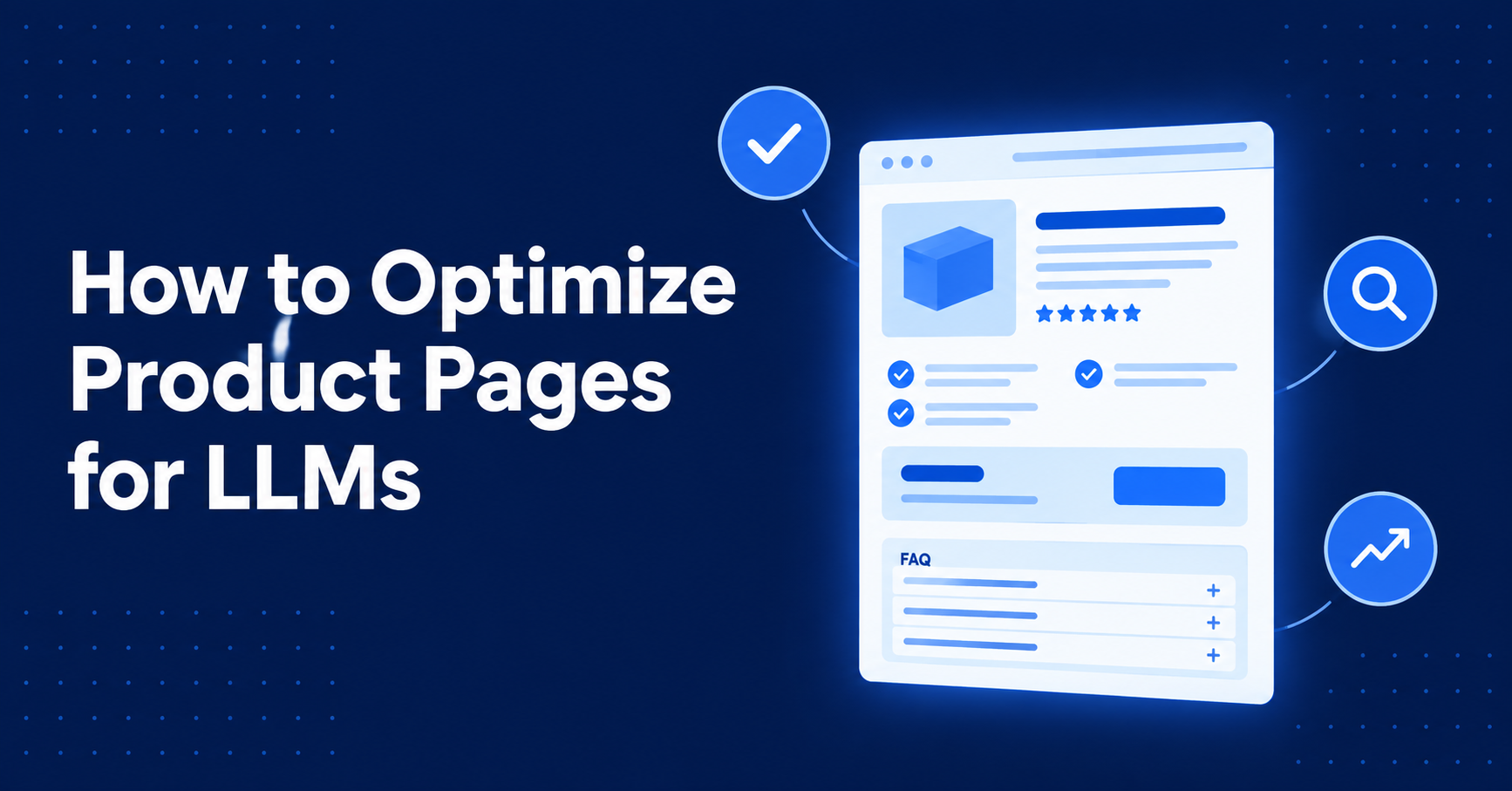
Buyers no longer start on your website. They ask ChatGPT, Perplexity, and Google's AI which tools solve their problem. This makes LLM product page optimization essential for B2B teams.
Most money pages are not built for AI search. They lean on adjectives, hide pricing, and bury proof. So AI engines skip them and cite a competitor instead. This guide gives you an eleven-point checklist to win those citations.
How Generative Engines Changed the Way Buyers Pick Products
Buyers once opened ten tabs and built their own shortlist over days. AI engines collapse that into one answer.
Behind that answer sits a retrieval step. The engine searches live sources, pulls the claims it trusts, and turns them into a recommendation. It does not cite whole pages. As LeadWalnut's breakdown of AI content structure explains, LLMs cite passages, not pages.
This is why structure beats persuasion. The engine extracts facts it can attribute, like a use case, a price, or a named customer. Plain facts get pulled. Adjectives get skipped.
The decision also moves earlier. The shortlist forms during retrieval, before a buyer visits any vendor site. If your page is not retrieved, you never enter the comparison.
Why AI Search Skips Most Money Pages
Most product pages were built to persuade a human, not to be read by a machine. That design now works against them.
AI engines pull answers from the top of a page. A CXL study of 100 AI Overview citations found that 55% came from the first 30% of the page. Most product pages open with a hero line and a tagline, not a clear answer. The facts sit far below, so the engine never reaches them.
These pages also lack extractable proof. AI engines favor dense, verifiable claims, and a page built on adjectives has little to offer.
Three patterns cause the most damage:
- Vague value claims: "Powerful," "seamless," and "best-in-class" carry no data an engine can cite.
- Hidden pricing: When the page hides cost, the engine cannot answer a buyer's most common question.
- Buried proof: Case studies and specs sit at the bottom, outside the zone engines read first.
Getting cited is not the same as getting recommended. An engine can quote your page and still name a rival as the pick. Winning both requires structure and proof, which the checklist below covers.
What Is LLM Product Page Optimization?
LLM product page optimization is the practice of structuring a product page so AI engines can read, verify, and cite it in their answers. The goal is inclusion in the AI answer, not just a ranking on Google.
It differs from traditional SEO in what it targets:
- Traditional SEO targets keywords, backlinks, and rank position.
- LLM optimization targets extractable answers, entity clarity, and verifiable proof.
Both share a foundation. A page must still be crawlable and relevant to qualify. But because AI search is changing the B2B buyer funnel, the page must now serve two readers at once: a buyer who needs persuasion, and an engine that needs clean, attributable facts.
The AI-Ready Conversion Page Checklist
Lead With an Entity Definition and Feature Overview
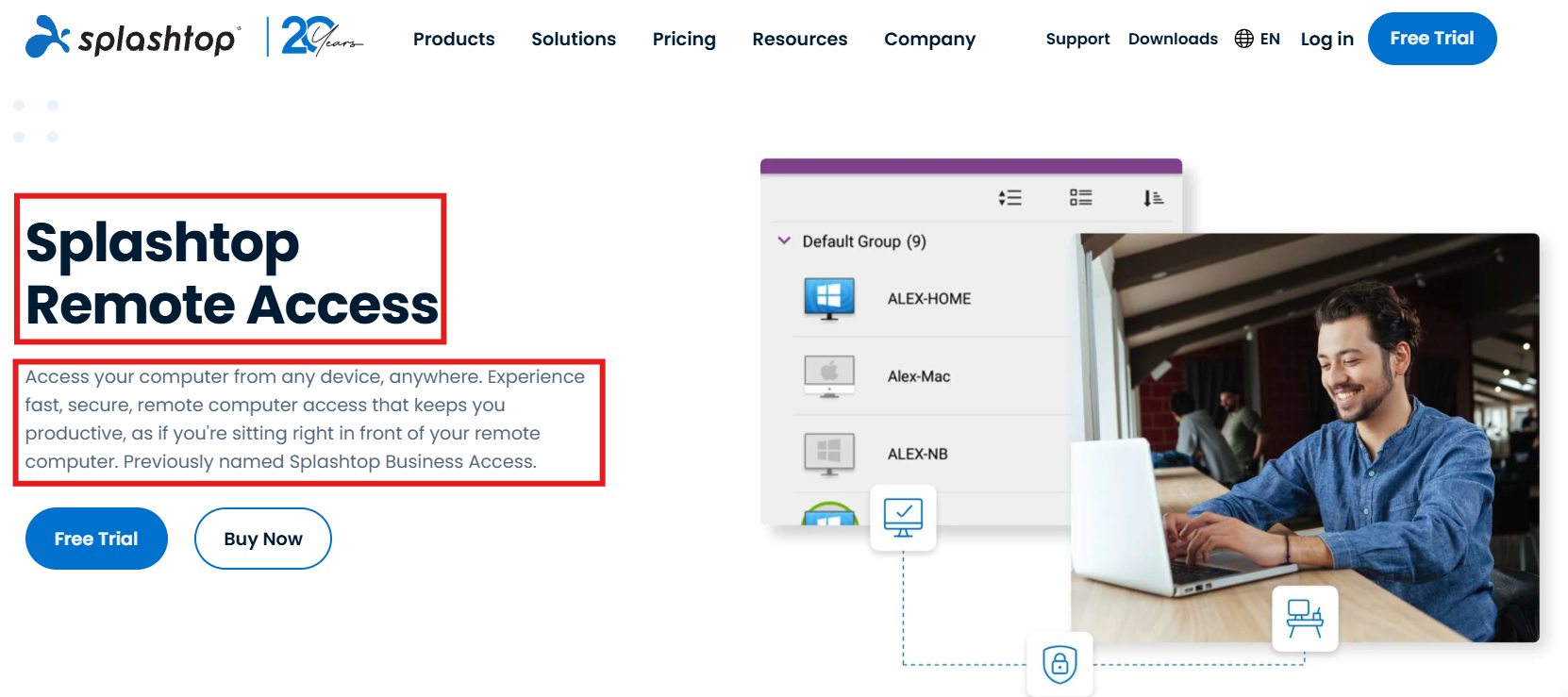
Open the page with a citable sub-headline. Place a one to two-sentence summary right below the H1, in the format [Product] is a [category] that [core job]. This lets an AI engine grasp the product without parsing the full page.
Follow it with a Feature Overview block immediately after. Cover what the product is, who it is for, top use cases, key differentiators, deployment, and compliance. Use two to four sentences or a five- to six-bullet card. This block is your primary citation surface.
Map Use Cases to Specific Buyer Roles
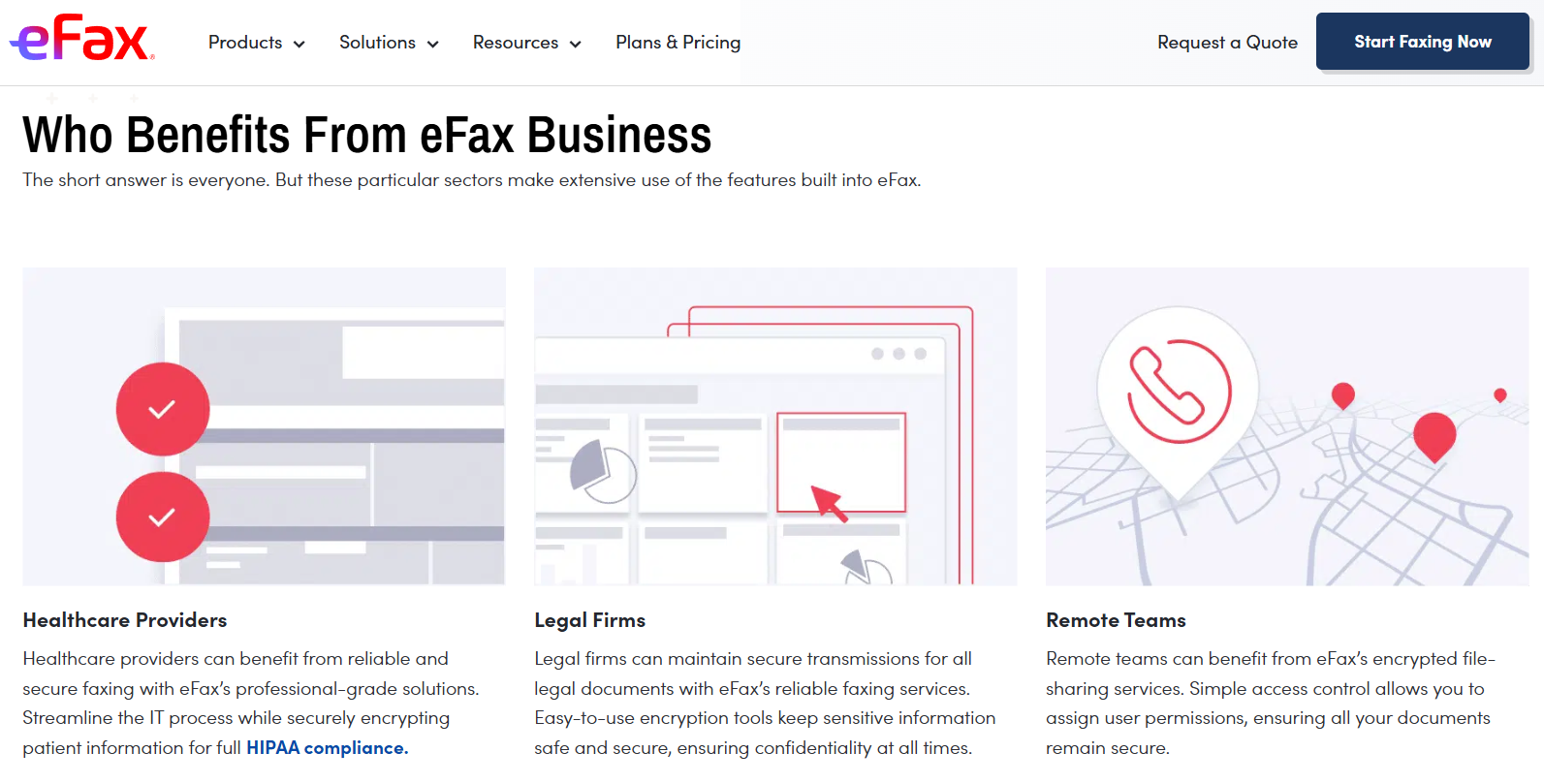
State the audiences the product serves and the outcome each one gets. An engine cannot match your product to a buyer's need if the page never names that need. Build a "Use Cases" section with headers that mirror real buyer prompts, tied to a role or industry rather than a feature.
For example, instead of a vague "Advanced automation" header, a workflow tool could use "Automating approvals for finance teams," which names both the audience and the job.
Frame Every Header as a Buyer Question
Write every header as a question a buyer actually asks. Generic labels like "Features" or "Benefits" match no real query, so they rarely get pulled into an answer.
Make each header specific enough to stand alone. For instance, a header reading "How it works" tells an engine little, whereas "How does the integration with your CRM work?" mirrors the exact phrasing a buyer would search.
Replace Adjectives With Specific Numbers
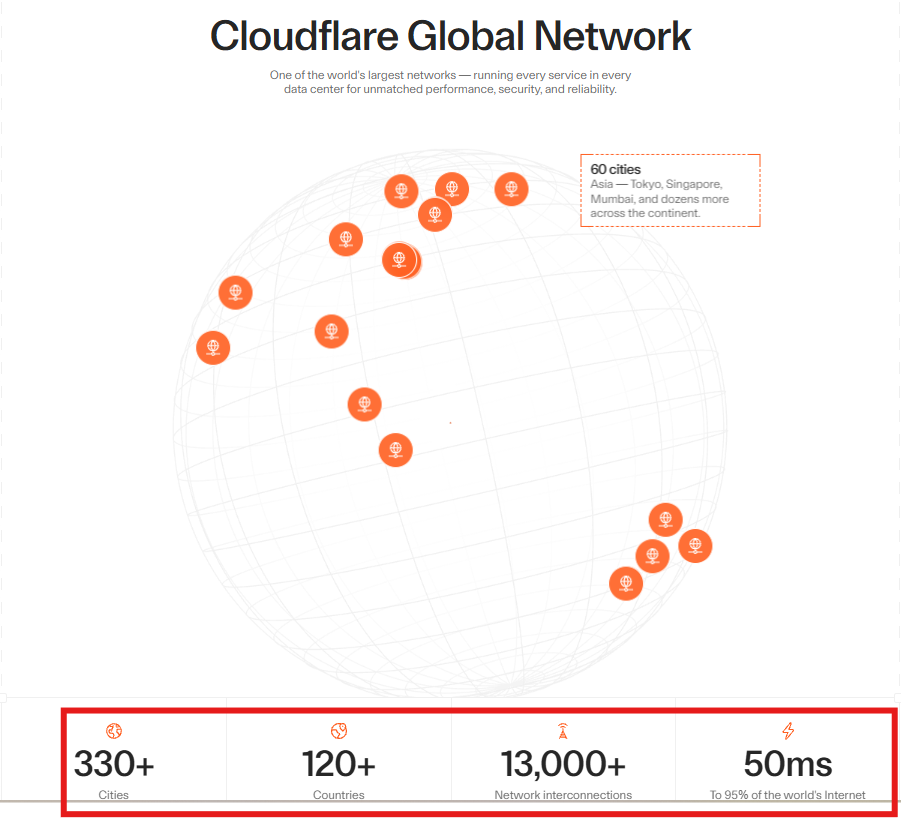
Swap buzzwords for hard figures. Remove any standalone claim like "premium" or "best-in-class" that is not backed by a specific behavior or metric.
Pair every spec with a number an engine can verify. As an example, a page claiming to be "industry-leading" says nothing citable, but "99.99% uptime" does, just as "fast deployment" becomes "deploys in under 5 minutes."
Surface Named Customers and Analyst Proof
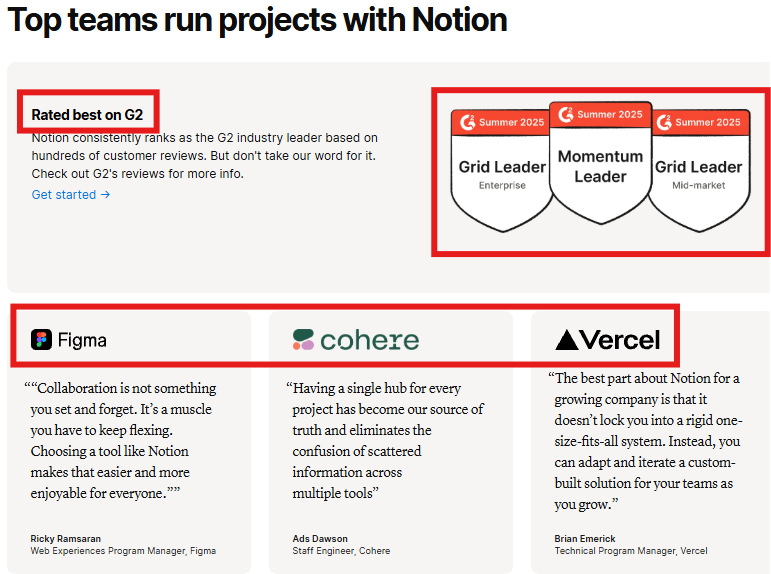
Show real proof, not vague trust claims. Surface named customer logos with industry tags, a few quantified proof points, and any analyst recognitions such as a Gartner or Forrester rating, each linked to its source.
Lead with the outcome the customer achieved. For example, a line like "cut onboarding time by 60%" paired with a named analyst award carries far more weight than a wall of unlabeled logos.
Publish Pricing and Buying Signals
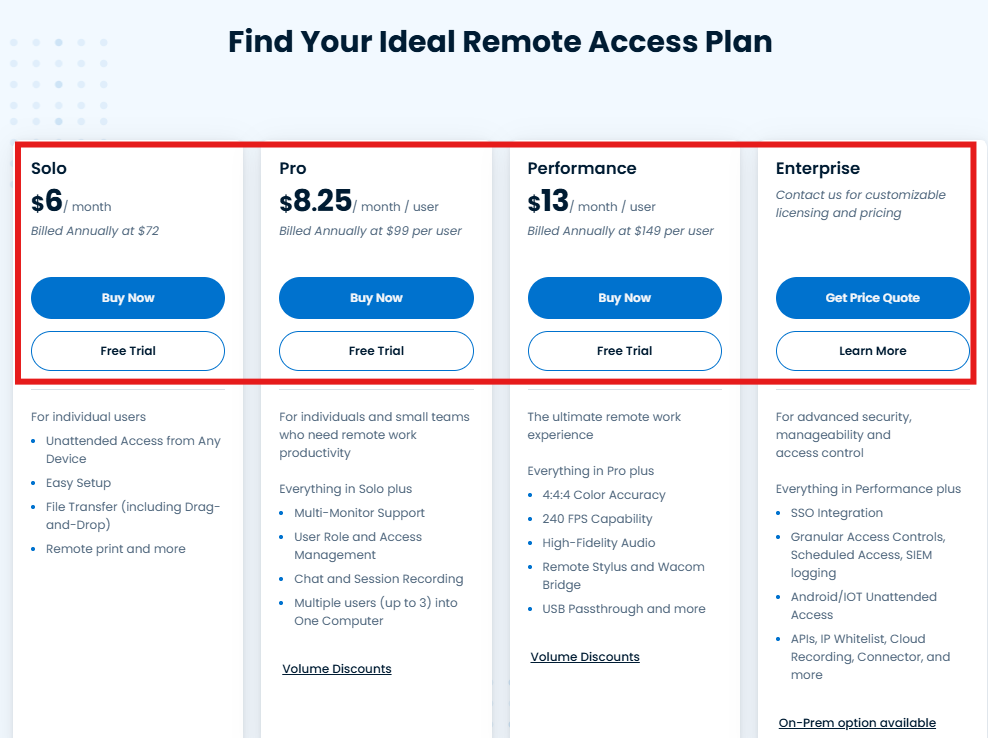
Add a Pricing Model section, even when the price is "Contact Sales." Explain the licensing structure, the tiers, and who each tier is for.
AI engines increasingly answer cost questions directly. When a buyer asks how much a tool costs, a page with no pricing signal gets left out of the answer, so state whatever detail you can, such as a starting tier or a plan comparison.
Add a Transcript-Backed Demo Video
Embed a product demo or "How It Works" video after the Feature Overview block. Pair it with VideoObject schema and a visible transcript, because the video file itself is invisible to AI engines.
Treat the transcript as primary content, not a caption. Give the video a descriptive, entity-led title that names what it shows, rather than a generic prompt like "Watch our demo."
Write Buyer-Decision FAQs With Schema
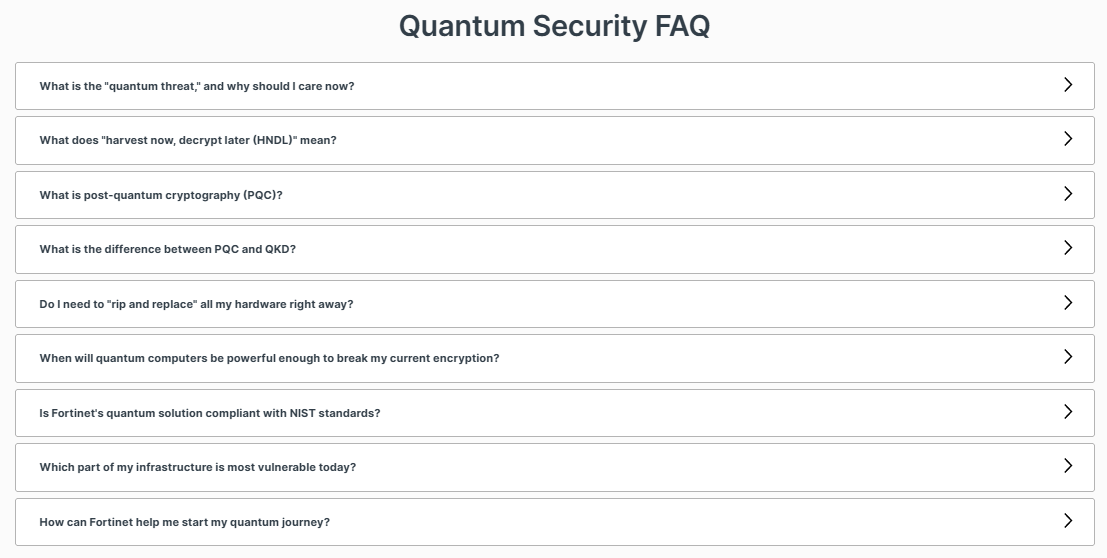
Add five to eight FAQ pairs that answer buyer-decision questions, not general ones. Keep each answer between 30 and 60 words, then mark them up with FAQPage schema.
Focus on what buyers ask before they commit. For example, questions about deployment time, security compliance, or payback period matter far more here than a definition of the category.
Structure Content in Chunk-Friendly Blocks
Break the page into short, self-contained blocks. Each section should answer its header fully, without depending on the paragraphs around it, because AI engines cite passages, not whole pages.
Keep the units small: one to two sentences, or three to five bullets. To illustrate, if a reader landed on a single section with no surrounding context, it should still deliver a complete, useful answer on its own.
Mark Up the Page With Complete Schema
Add structured data so an engine knows what each element means. Implement the schema types that fit a product page, such as Product, Offer, AggregateRating, FAQPage, and BreadcrumbList.
Fill those fields with real data, not empty tags. A 2026 cross-platform study found that pages using Product schema with concrete pricing, ratings, and specifications were cited far more often than pages with generic markup, and the effect was strongest for lower-authority domains.
Get the basics right too. Use one H1 per page, never skip heading levels, add alt text to every image, and validate the markup before publishing.
Common Mistakes on Product Pages That Cost You AI Citations
A few recurring mistakes block AI engines from reading, trusting, or extracting your product pages.
- Leading with a tagline, not an answer. The engine finds no clear statement to pull, and the real answer sits too far down to reach.
- Describing the product with adjectives. Words like "powerful" and "seamless" carry no data, and an engine cannot cite a claim it cannot verify.
- Hiding pricing behind a form. Cost is a top buyer question. A page that hides it cannot answer, so the engine cites a competitor that does.
- Writing headers as labels. Headers like "Features" or "Solutions" match no real query, while buyer-question headers get pulled far more often.
- Skipping schema markup. Without structured data, the engine has to guess what each element means, and that guesswork costs you citations.
Scale AI-Ready Money Pages Without Losing Conversions
Rebuilding every product page at once is slow and risky. Targeted changes to high-intent pages deliver results faster. The same fixes that help AI engines cite a page also help buyers act on it.
LeadWalnut's CRO work for eFax shows this in practice. Instead of a full redesign, the team added scannable bullets, linked customer logos to G2 and Trustpilot reviews, and tagged pricing plans clearly. Within 30 days, completed transactions rose 48.7%, and revenue grew 37.6%.
Start with a few high-intent pages and measure each change on its own. Then scale what works across the rest.
Make Every Money Page Ready for AI-Referred Buyers
Buyers now reach a shortlist before they ever visit your site. The product pages that make it are the ones AI engines can read, verify, and cite. This checklist turns a persuasion-first page into one built for both a buyer and an engine. Applying it consistently is how B2B teams stay in the answer.
It is the same approach behind LeadWalnut, rated 4.9 on Clutch. Start with your highest-intent pages, fix the gaps this checklist surfaces, and make each one impossible for an AI engine to skip.
FAQ
How long does it take for a product page to get cited by AI search engines?
Google's AI Mode can cite new pages within 24 hours. ChatGPT is slower, often taking two to four weeks. Most pages that ever get cited do so within 60 days of indexing.
How often should I update a product page to stay cited by AI?
Refresh product pages roughly monthly. AI engines favor fresh content, and studies show most top-cited pages were updated within the last 30 days. Update pricing, stats, and version references first.
Does a product page need to rank on Google to get cited by AI?
No. Ranking helps but is no longer required. AI engines pull from a wide source pool, and pages outside the top 10, even beyond the top 100, are cited regularly.
Why does my product page get cited by one AI engine but not another?
Citations are largely platform-specific. Most cited pages appear on only one engine because ChatGPT, Perplexity, and Google AI weight sources differently. Optimize and track across all engines, not just one.
How do I measure whether my product page is winning AI citations?
Query your target prompts on ChatGPT, Perplexity, and Google AI, then check if your page is named. Track citation frequency and share of voice monthly, not rankings alone.



How can LeadWalnut help?

Related Articles
Which AI Writing Tools Earn a Citation in 2026?
How to Earn Citations from High-Authority Publications